
Not long ago, audio post-production focused primarily on a handful of playback environments. A film might be mixed for theaters and adapted for home television, while a game would target consoles and PC speakers. Today, that approach is no longer enough.
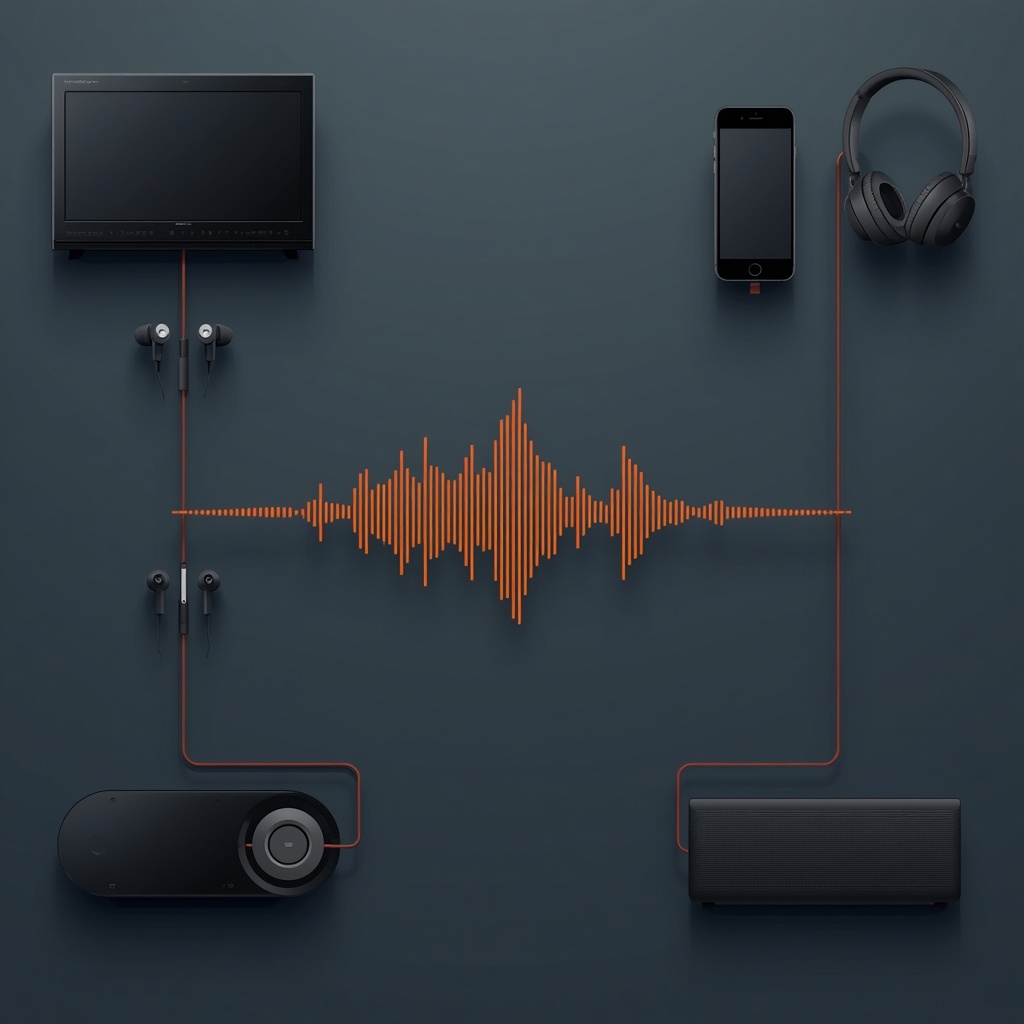
Modern audiences consume content across an expanding range of devices, including TVs, smartphones, earbuds, soundbars, tablets, laptops, smart speakers, and even vehicle audio systems. As a result, post-production teams are increasingly focused on multi-device audio translation—ensuring that a mix delivers a consistent experience regardless of where it is played. What was once considered a quality-control step is rapidly becoming a core production requirement.
Dialogue clarity is becoming the priority
One of the biggest concerns in multi-device translation is dialogue intelligibility, since new productions often feature:
- dense sound design
- cinematic music
- immersive spatial effects
- dynamic range variation
These elements can create problems on smaller playback systems.
Phone speakers and laptop audio frequently struggle with:
- low-frequency content
- wide dynamic range
- complex spatial information
As a result, post-production teams are increasingly prioritizing:
- vocal clarity
- midrange balance
- dialogue separation
- controlled dynamics
This trend is closely related to the growing industry focus on accessibility and audience retention.
If viewers cannot clearly understand dialogue, they are more likely to enable subtitles, adjust volume repeatedly, or stop watching altogether.
Soundbars, earbuds, and cars all behave differently
The rise of consumer audio devices has introduced new translation challenges.
Soundbars often:
- virtualize surround sound
- alter center-channel behavior
- reshape low-frequency content
Earbuds emphasize:
- vocal detail
- stereo imaging
- proximity effects
Vehicle audio systems create entirely different conditions due to:
- road noise
- speaker placement
- cabin acoustics
A mix optimized for one environment may produce unexpected results in another.
This is why many studios now test content across multiple playback scenarios throughout the post-production process rather than relying solely on reference monitors.
Audio translation is becoming part of quality control
As explored in Force Media article: How Soundbars Are Quietly Changing the Way Streaming Mixes Are Built, modern playback devices are already influencing mixing decisions.
Today, many teams are expanding quality-control workflows to include:
- mobile playback checks
- earbud testing
- smart TV evaluation
- automotive listening reviews
- accessibility verification
This approach helps identify translation issues before content reaches audiences.
The objective is not identical playback across every device—that is impossible. Instead, the goal is preserving the intended experience as consistently as possible.
The future of audio post-production
Multi-device listening is no longer a niche concern, but rather – a reality of modern media consumption.
As audiences continue switching between screens, platforms, and playback systems, post-production teams will increasingly need to think beyond traditional monitoring environments as successful audio is increasingly defined by how well it translates beyond the studio.


