
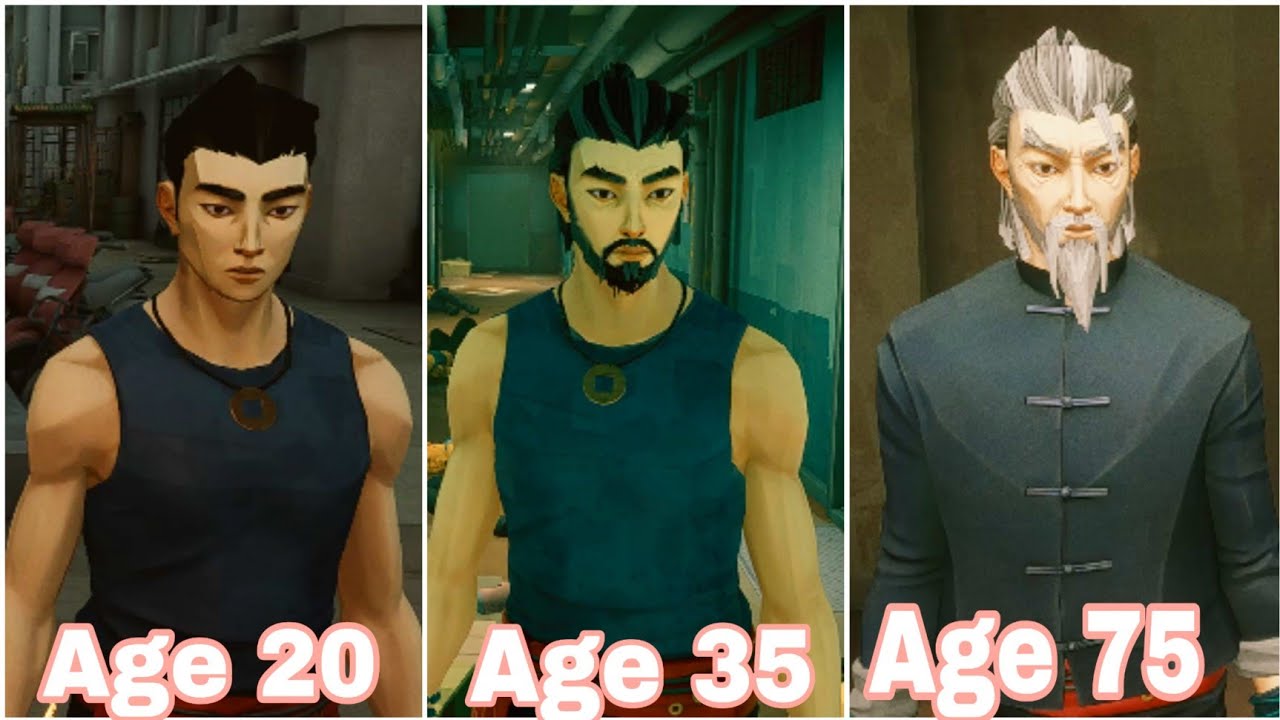
Image:worldsofwordcraft.wordpress.com
Modern entertainment franchises are living longer than ever.
Major game series, cinematic universes, and streaming franchises now span decades, with characters appearing across sequels, remasters, spin-offs, expansions, and live-service updates. As these stories evolve, characters age, mature, and change. Audiences expect their voices to evolve as well, creating a new challenge: voice ageing consistency.
Maintaining a believable vocal journey for a character across multiple releases is becoming just as important as translation accuracy or casting continuity.
Characters are no longer static
Many classic game franchises were built around characters who remained largely unchanged between installments.
Today, narrative-driven games increasingly feature:
- multi-year story arcs
- aging protagonists
- time skips
- prequels and sequels
- interconnected universes
Players often spend hundreds of hours with the same characters over many years.
As a result, audiences notice when a character’s voice suddenly sounds too young, too old, or inconsistent with the timeline.
This creates a unique challenge for localized versions, where voice actors may differ from the original cast and production schedules can stretch across decades.
Consistency goes beyond casting
When discussing localization continuity, most conversations focus on retaining the same voice actor.
While casting consistency remains important, voice ageing introduces a more nuanced issue.
A character who is:
- 18 years old in a prequel
- 35 years old in a sequel
- 50 years old in a spin-off
should not sound identical across every release.
Localization directors must determine how vocal performance should evolve while remaining recognizable.
This often involves subtle adjustments to:
- vocal tone
- pacing
- emotional maturity
- speech patterns
- energy levels
The goal is to preserve character identity while reflecting narrative growth.
Long-running franchises make the problem harder
The challenge becomes even more complex when projects are developed years apart.
Actors naturally age, careers change, and casting availability can fluctuate.
Localization teams may face situations where:
- the original actor is unavailable
- multiple studios handled previous titles
- older voice references are difficult to access
- production teams have changed
Without detailed voice documentation, maintaining consistency becomes difficult.
For major franchises, voice bibles and performance archives are becoming increasingly valuable tools.
These resources help directors understand not only how a character sounded, but why they sounded that way at a specific point in the story.
Spin-offs and alternate timelines add complexity
Modern franchises rarely follow a simple chronological structure.
Characters may appear in:
- remakes
- flashbacks
- prequels
- alternate timelines
- crossover events
This creates situations where localization teams may need to recreate a younger version of a character years after recording an older version.
The challenge is not simply matching a voice—it is matching a specific stage of the character’s life.
As explored in Force Media article: The Rise of Whisper-Accurate Dubbing for Prestige Drama, audiences are becoming increasingly sensitive to vocal nuance and performance detail. Character age is now part of that expectation.
The future of franchise localization
As game universes and multimedia franchises continue expanding, voice ageing consistency will become a bigger part of localization planning.
Studios are already investing more heavily in:
- long-term casting strategies
- performance documentation
- voice reference archives
The objective is to ensure that characters evolve naturally across years of storytelling while remaining familiar to audiences.
Because in a long-running franchise, continuity is not only visual or narrative, it is vocal as well.
And as audiences spend more time with characters than ever before, every stage of that journey needs to sound authentic.


