
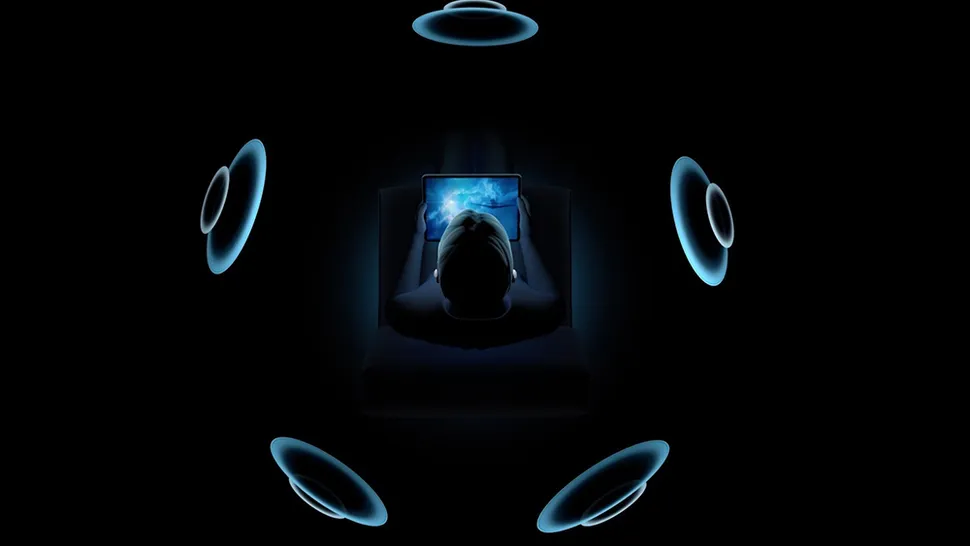
Spatial audio has moved from experimental feature to industry standard. With formats like Dolby Atmos, Sony 360 Reality Audio, and platform-specific immersive systems becoming mainstream across streaming, games, and XR, audio quality control faces a new challenge. Many traditional QA workflows were built for stereo or surround mixes—and they often miss critical issues unique to spatial audio. The result – As immersive sound becomes more common, QC needs to evolve and adjust.
Why Spatial Audio Requires a Different QA Mindset
Traditional audio QA focuses on intelligibility, loudness compliance, clipping, noise, and sync. These checks still matter, but spatial mixes introduce new variables: three-dimensional placement, object movement, listener perspective, and playback system interpretation.
A mix can technically meet all classic QA standards and still feel wrong in spatial playback. That disconnect is where many issues slip through.
Phase Issues That Don’t Show Up in Stereo
Phase problems are one of the most overlooked risks in spatial audio. In object-based mixes, multiple sound sources interact dynamically depending on listener position and speaker configuration. Phase cancellation may not be audible in stereo downmixes but can cause elements to disappear or weaken in immersive playback.
Common symptoms include:
- Dialogue thinning when objects move
- Bass loss in certain listening positions
- Spatial “holes” where sound collapses
QA teams relying solely on stereo monitoring or downmixed checks often miss these problems entirely.
Object Placement Errors and Listener Disorientation
Spatial audio allows precise object positioning—but that precision can become a liability without careful QC. Misplaced objects may feel disconnected from on-screen action or physically uncomfortable to listeners.
Errors include:
- Dialogue drifting off-center
- Effects anchored too high or too far back
- Objects snapping between positions instead of moving smoothly
These issues may technically pass sync checks yet still break immersion. Effective QC must evaluate spatial coherence, not just timing accuracy.
Reverb Mismatch Across the Soundfield
In immersive mixes, reverb is no longer a simple send effect—it becomes part of spatial storytelling. Reverb that doesn’t match object position or environment scale can feel artificial, even if it sounds fine in isolation.
A common mistake is applying uniform reverb to spatial objects without accounting for distance, height, or movement. This results in:
- Dialogue that sounds “detached” from the space
- Effects that feel too close or too distant
- Inconsistent room perception between channels
Traditional QA teams rarely flag these issues because they require critical listening in immersive setups rather than waveform analysis.
Monitoring Limitations Hide Real Problems
Many QA processes still rely on limited speaker setups or headphones not calibrated for spatial evaluation. Without proper monitoring, teams may never hear the errors they’re supposed to catch.
Spatial QC requires:
- Certified Atmos or immersive monitoring environments
- Binaural headphone checks with multiple renderers
- Cross-platform testing to account for device interpretation
Skipping these steps leads to surprises after release—often discovered by end users.
Why Automation Alone Isn’t Cutting It
While automated QC tools can flag technical inconsistencies, they struggle with perceptual errors. Phase interaction, spatial comfort, and environmental coherence are subjective by nature. AI can assist by identifying anomalies, but human listeners trained in immersive audio remain essential. The most effective QC workflows combine automated checks with expert spatial listening.
Updating QA for the Immersive Era
Spatial audio changes what “quality” means. It’s no longer just about clean sound—it’s about believable placement, comfortable movement, and cohesive space. Teams that apply stereo-era QA standards to immersive formats risk shipping technically correct but experientially flawed audio.
As spatial formats become standard across media, updating QC practices isn’t optional. It’s the difference between immersive sound that impresses—and immersive sound that distracts.


