
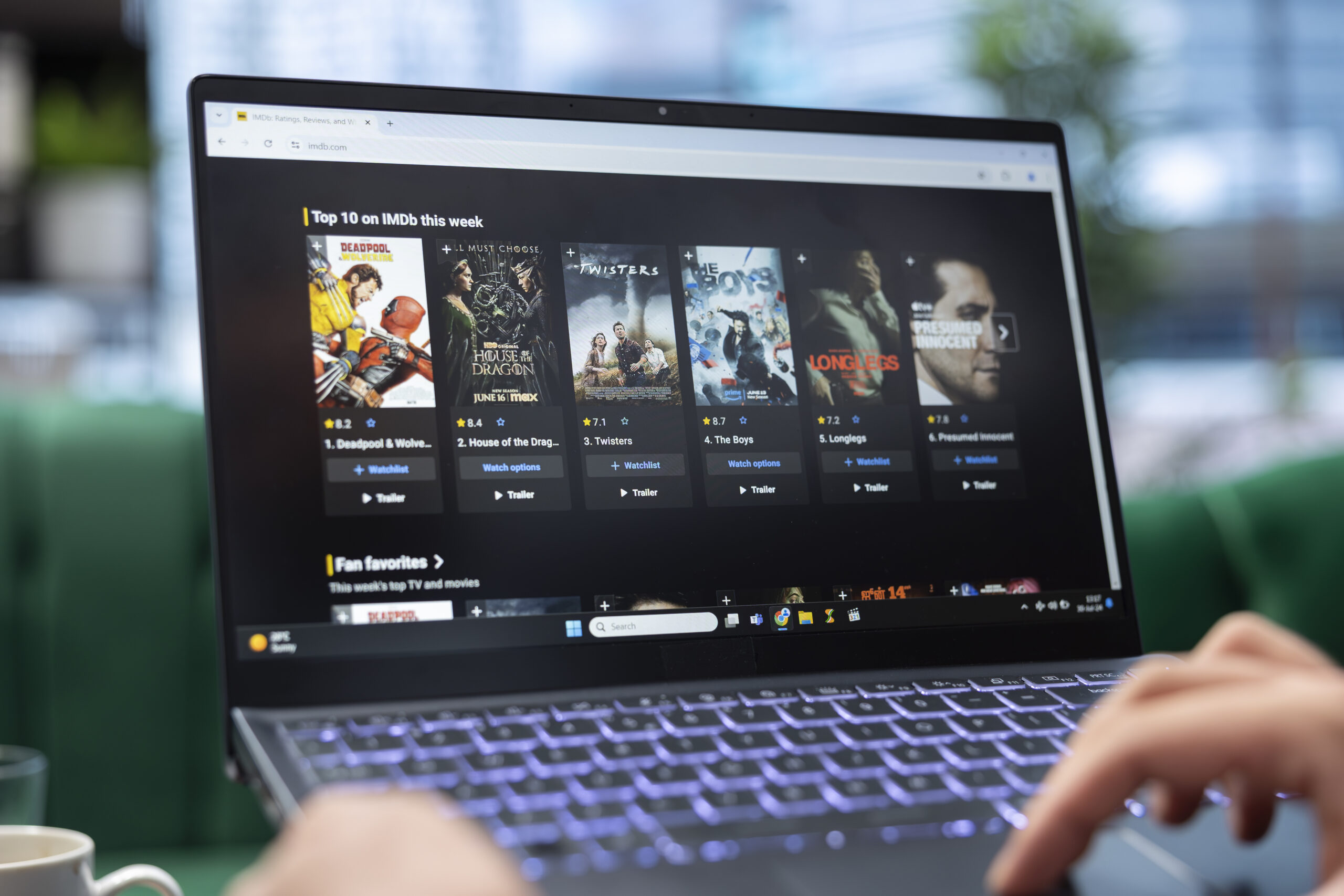
In today’s entertainment world, the audience is global — and so is the demand for exceptional sound. Streaming platforms like Netflix, Disney+ and Amazon Prime Video have transformed not just how we watch content, but how we hear it. Viewers now expect the same emotional depth, clarity, and nuance in every localized version of a show or film — and that’s reshaping the entire landscape of audio post-production and localization.
From Subtitles to Studio-Grade Localization
Not long ago, international releases relied mainly on subtitles or basic dubbing. But streaming platforms have elevated expectations. They invest heavily in localized audio that mirrors the tone, atmosphere, and emotional delivery of the original.
This shift isn’t just about translation — it’s about re-creation. Voice casting, sound mixing, and ADR (automated dialogue replacement) are now treated as artistic processes, not afterthoughts. A French dub of a Korean series or a Spanish version of a Hollywood thriller must sound as authentic as the source, both technically and emotionally.
Consistency Across Languages and Regions
One of the biggest challenges streaming services face is ensuring consistency. A single series might be available in over 30 languages. Each version needs to maintain the same loudness levels, voice quality, and tone while fitting perfectly with on-screen performance.
To achieve this, major platforms have built global localization workflows supported by detailed technical guidelines. These specify everything from dialogue normalization levels to codec standards, file naming conventions, and delivery specs.
Consistency ensures that no matter where the audience is — Seoul, São Paulo, or Stockholm — they experience the same level of quality and immersion.
AI and Machine Learning Are Changing the Game
AI-driven tools are now becoming integral to large-scale localization projects. Machine learning models can help detect sync issues, mismatched takes, or timing errors during the QA process — long before a human editor reviews the files. AI tools are now being utilized to assist in dubbing, which expands the audience for foreign titles that, for various reasons, weren’t able to get dubbed before.
AI voice matching and speech synthesis also play an increasing role in pre-production and creative testing. They allow studios to quickly prototype localized dialogue, experiment with tone, and identify potential cultural or emotional mismatches before investing in full voice casting.
However, the human element remains crucial. Emotional nuance, cultural context, and performance direction still require skilled sound engineers, localization directors, and voice actors. The best results come from combining AI efficiency with human sensitivity.
Cultural Adaptation as a Creative Priority
Streaming platforms are also raising awareness about the importance of cultural resonance. Humor, idioms, and even vocal tone can carry different meanings across regions. What sounds warm and inviting in English may come across as overly formal in Japanese or too casual in Arabic.
That’s why many studios now treat localization as a creative collaboration, not just a technical service. Native-speaking directors and cultural consultants work alongside audio engineers to ensure every scene sounds natural, relatable, and authentic to the target audience.
In short, localized audio isn’t just about speaking the same words — it’s about feeling the same emotion.
Quality Control Is Non-Negotiable
The final piece of the puzzle is quality assurance (QA). With content being released globally and simultaneously, there’s no margin for error. Even a minor sync issue or a poorly mixed voice track can trigger audience backlash — and on the internet, word spreads fast.
That’s why streaming platforms now demand multiple QA passes, both automated and manual. Localization QA specialists verify dialogue timing, lip sync, tone, and fidelity to the source material. AI-based analysis tools complement this by flagging subtle technical discrepancies invisible to the human ear.
The Future: Immersive Audio, Everywhere
As platforms continue to compete for global audiences, the next frontier is immersive localization. Dolby Atmos and spatial audio mixes are now being produced in multiple languages, offering audiences a true cinematic experience at home.
Localization studios that can handle complex, multi-channel audio workflows — while preserving creative intent — will lead the industry in this new era.
Conclusion
Streaming platforms have set a new standard for localized audio: authentic, emotionally resonant, and technically flawless. Achieving that level of quality requires a seamless blend of technology, artistry, and cultural intelligence.


