
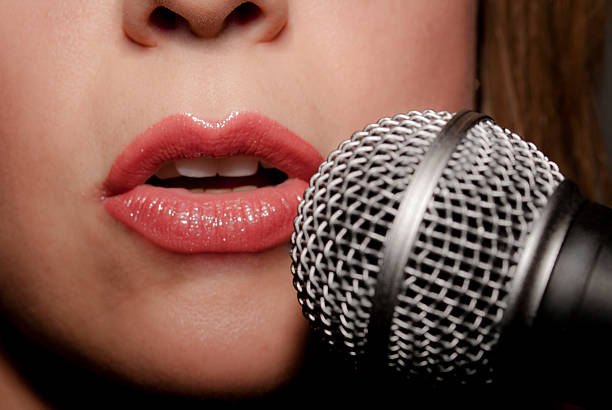
Prestige television is becoming quieter.
Across high-end streaming dramas, performances are increasingly built around whispers, breath detail, silence, and close-mic intimacy rather than traditional theatrical projection. As a result, localization teams are facing a new challenge: preserving these micro-performances across languages without losing emotional authenticity.
In premium content, the success of a localized performance is no longer measured only by lip sync or translation accuracy. It is measured by whether the dubbed version preserves the same emotional intimacy as the original recording, and it is what many audio post professionals now call whisper-accurate dubbing.
Prestige drama is changing vocal performance standards
Modern streaming dramas often rely on subtle vocal delivery to create realism.
Characters now speak:
- more softly
- more naturally
- with overlapping dialogue
- restrained emotional delivery
- and intentionally imperfect pacing
This style creates a feeling of proximity, making viewers feel emotionally closer to the character.
But these performances are extremely fragile in localization.
A dubbed line that is too clean, too projected, or too heavily compressed can immediately break immersion. Even slight differences in breath timing or vocal intensity may alter the emotional tone of a scene.
For localization teams, this means dubbing prestige drama requires a very different approach from traditional broadcast workflows.
Breath, silence, and microdynamics now matter
In older dubbing models, breaths and pauses were often minimized or removed to improve clarity and pacing.
Today, they are part of the performance itself.
Breath hesitation can signal fear. Silence can create tension. A whisper may carry more emotional weight than a shouted line.
Prestige productions increasingly depend on these microdynamics to shape storytelling rhythm.
This creates new technical and creative demands for localized audio:
- preserving breath texture
- matching vocal proximity
- avoiding over-processing
- maintaining natural room tone
- controlling compression carefully
If the localized performance sounds too polished or detached from the acoustic environment, the emotional realism disappears.
In this context, intimacy becomes part of the localization challenge.
Close-mic recording is reshaping dubbing sessions
The rise of close-mic dialogue recording is also changing studio practices.
Many prestige productions now capture actors with:
- highly sensitive microphones
- intimate recording distance
- minimal vocal projection
- subtle mouth and breath detail
To match this style, dubbing sessions are adapting their recording techniques.
Voice actors are increasingly directed toward:
- restrained delivery
- lower-volume performance
- nuanced emotional pacing
- realistic conversational rhythm
This often requires a different mindset from traditional animation or broadcast dubbing, where projection and articulation are prioritized more aggressively.
Engineers are also reducing heavy cleanup processing to preserve the natural imperfections that make performances feel human.
Why streaming audiences notice the difference
Prestige streaming audiences are highly sensitive to vocal realism.
On headphones, soundbars, and near-field playback systems, viewers can hear extremely fine vocal detail. Overly processed dubbing becomes much easier to detect—especially in emotionally driven dramas.
This is why whisper-accurate dubbing is becoming a competitive quality marker for premium localization.
As explored in our previous article about emotional accuracy in localization, audiences increasingly respond to how dialogue feels rather than how literally it translates. Whisper-accurate dubbing pushes that idea even further by focusing on vocal texture and emotional proximity itself.
The future of premium localization
Prestige drama is redefining localization standards.
As streaming productions continue moving toward quieter, more intimate storytelling, dubbing workflows will need to preserve not only meaning, but also the smallest emotional details embedded in the original performance.
Because in modern drama, the most important part of a line is not always the words.
Sometimes, it is the breath before them.


