
As entertainment, gaming, and e-learning content reach global audiences, the demand for high-quality audio localization has never been higher. But scaling localization from one project to dozens, or even hundreds, requires more than a good translator and a recording booth. Studios and clients need a structured pipeline that combines tools, talent, and processes to deliver consistent results across multiple languages and markets.
Here’s a breakdown of how to build a scalable audio localization pipeline that can grow with your global expansion.
1. Define Your Localization Goals
Before setting up any workflow, clarify what you want your pipeline to achieve. Ask yourself:
- How many markets are you targeting now, and in the next 2–3 years?
- Do you need full dubbing or voiceover narration, or are subtitles enough in some cases?
- Are your priorities speed, cost efficiency, or premium quality?
This roadmap will determine what resources you’ll need, which languages to prioritize, and how much automation versus human expertise to build into your pipeline.
2. Assemble the Right Team
A scalable pipeline depends on the right people at every stage. At minimum, you’ll need:
- Localization Project Manager – Oversees workflows, schedules, and quality.
- Translators & Adaptors – Go beyond direct translation to adapt scripts for local audiences.
- Voice Directors – Ensure performances capture the correct tone and emotion in each language.
- Voice Actors – Native speakers who bring authenticity and cultural nuance.
- Audio Engineers – Handle recording, lip-sync, and final mix to match the original.
- Quality Assurance (QA) Reviewers – Catch issues like timing mismatches, pronunciation errors, or unnatural delivery.
This team can be in-house, freelance, or a mix. What matters most is building scalable access — a network of trusted professionals you can activate as projects grow.
3. Invest in Scalable Tools & Technology
Technology makes the difference between a bottlenecked pipeline and a scalable one. Key tools include:
- Translation Management Systems (TMS): Organize scripts, track revisions, and integrate with CAT (computer-assisted translation) tools for consistency.
- Digital Audio Workstations (DAWs): Industry standards like Pro Tools, Nuendo, or Reaper for recording and mixing.
- Collaboration Platforms: Cloud-based solutions (Frame.io, Slack, Trello) for feedback, version control, and team coordination.
- AI-Assisted Tools: Speech-to-text for transcription, AI voice matching for casting, and automated lip-sync previews can speed up early stages. These should support, not replace, human review.
4. Standardize Your Workflow
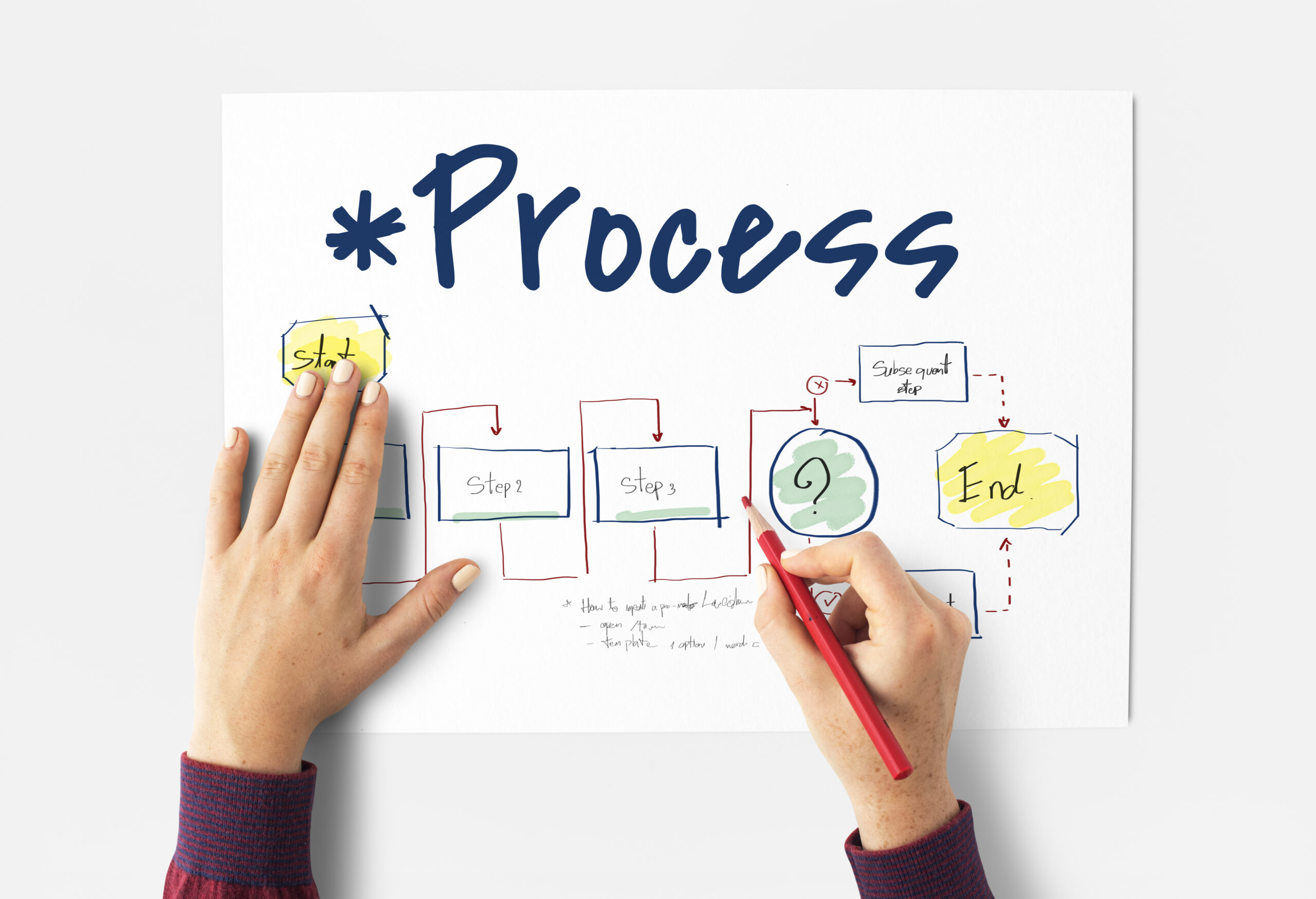
Consistency is critical when scaling across multiple languages. Document a clear workflow that includes:
- Script Prep: Break down dialogue, technical terms, and cultural notes.
- Translation & Adaptation: Ensure localized text fits time and context.
- Casting & Recording: Select voices that align with the original characters or brand identity.
- Audio Engineering: Mix localized tracks so they sound natural against the original music and effects.
- Quality Assurance: Test for lip-sync accuracy, tone, timing, and audience reception.
With a standardized workflow, you can onboard new teams faster and maintain quality no matter the project size.
5. Build in Quality Control
Scaling often leads to quality drift if checks aren’t in place. Create QA steps such as:
- Peer Review: Translators cross-check each other’s work.
- Technical QA: Ensure clean audio files, correct loudness levels, and proper sync.
- Cultural QA: Local reviewers confirm the voices and delivery resonate with the target market.
Quality is what separates content that merely reaches global markets from content that actually connects.
6. Plan for Continuous Feedback & Improvement
A scalable pipeline isn’t static—it evolves. Collect feedback from audiences, partners, and local teams to identify what works and where bottlenecks occur.
Some studios implement post-mortem reviews after each project:
- Did we hit deadlines?
- Were there recurring errors (timing, pronunciation)?
- Could automation or new tools save time next round?
This cycle ensures your pipeline gets more efficient as you expand.
Conclusion
Building a scalable audio localization pipeline requires more than just translation—it’s about aligning people, processes, and technology for global growth. By setting clear goals, investing in the right tools, standardizing workflows, and prioritizing quality control, studios and clients can expand into new markets without sacrificing authenticity.


