
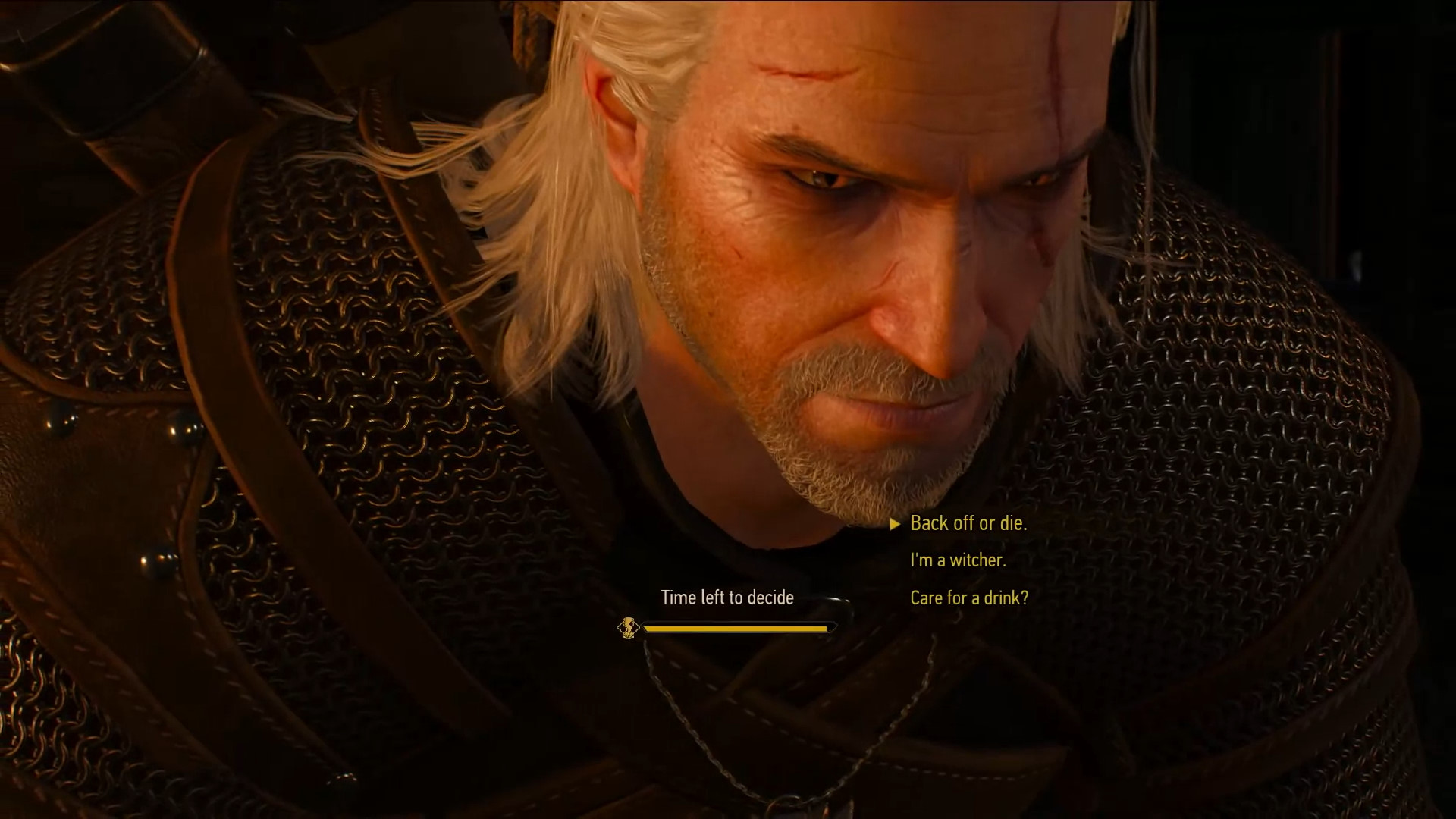
When game studios plan global releases, audio localization often becomes one of the most complex parts of production. Dialogue needs to be translated, adapted culturally, recorded, edited, and synchronized across multiple languages. Yet many localization delays don’t come from translation quality or voice recording—they come from the script itself; this is why by preparing dialogue properly from the beginning, developers can dramatically reduce friction in production and make global localization faster and more scalable.
Why Script Structure Matters
Game scripts are rarely linear. Unlike film or television, dialogue is often triggered by player actions, branching storylines, dynamic events, and random gameplay moments. This complexity makes localization significantly harder if the script isn’t organized correctly.
For example, lines without context can confuse translators and voice actors. A simple phrase like “Let’s move” might have different meanings depending on whether the character is excited, angry, sarcastic, or under threat. Without context, translations may miss the emotional intent, which then affects the final performance.
Proper script preparation ensures that every line carries enough information for translators, voice directors, and actors to interpret it correctly.
Provide Context for Every Line
One of the most important steps in preparing scripts for localization is adding context. Each dialogue line should ideally include:
- Character name
- Scene description
- Emotional tone or intent
- Gameplay situation or trigger
Even short notes can make a huge difference. A line labeled “combat shout,” “quiet conversation,” or “sarcastic response” gives voice actors and directors valuable guidance during recording sessions.
Without these details, localization teams may need to request clarification later, slowing down production.
Use Unique Line IDs
Large games can contain thousands—or even tens of thousands—of voice lines. Without clear identifiers, managing them across multiple languages becomes chaotic.
Each dialogue entry should have a unique line ID. These IDs allow localization teams to track lines across translation, recording, editing, and QA stages. They also help avoid duplication issues and simplify updates when scripts change during development.
If a patch modifies dialogue later, the line ID ensures the correct lines are updated in every language version.
Avoid Hardcoded Text
Another common localization problem appears when dialogue is embedded directly in code. Hardcoded lines are difficult to extract, update, or send to localization vendors.
Instead, scripts should live in external databases, spreadsheets, or localization management systems. This allows translators and audio teams to work on dialogue independently without disrupting development builds.
Separating script data from game code also makes future updates easier, especially for live-service games that constantly add new content.
Plan for Timing Differences
Different languages rarely match the timing of the original script. Spanish, German, and Russian lines are often longer than English, while languages like Japanese may be shorter but structured differently.
Developers should avoid designing gameplay sequences that rely on extremely tight dialogue timing. Allowing flexibility in animation, cutscenes, or subtitle timing ensures localized voice tracks fit naturally without awkward pacing.
This small design choice can prevent costly re-editing later in the audio pipeline.
Think About Scalability Early
Modern games may launch in ten or more languages, and many continue expanding after release. A script that works for one language may become difficult to manage when multiplied across multiple regions.
Preparing scripts with localization in mind—from clear structure to flexible timing—helps studios scale their audio production efficiently.
Ultimately, global audio localization doesn’t begin in the recording studio. It begins with a well-prepared script. When developers design dialogue workflows thoughtfully, they empower localization teams to deliver authentic performances for players around the world.


