
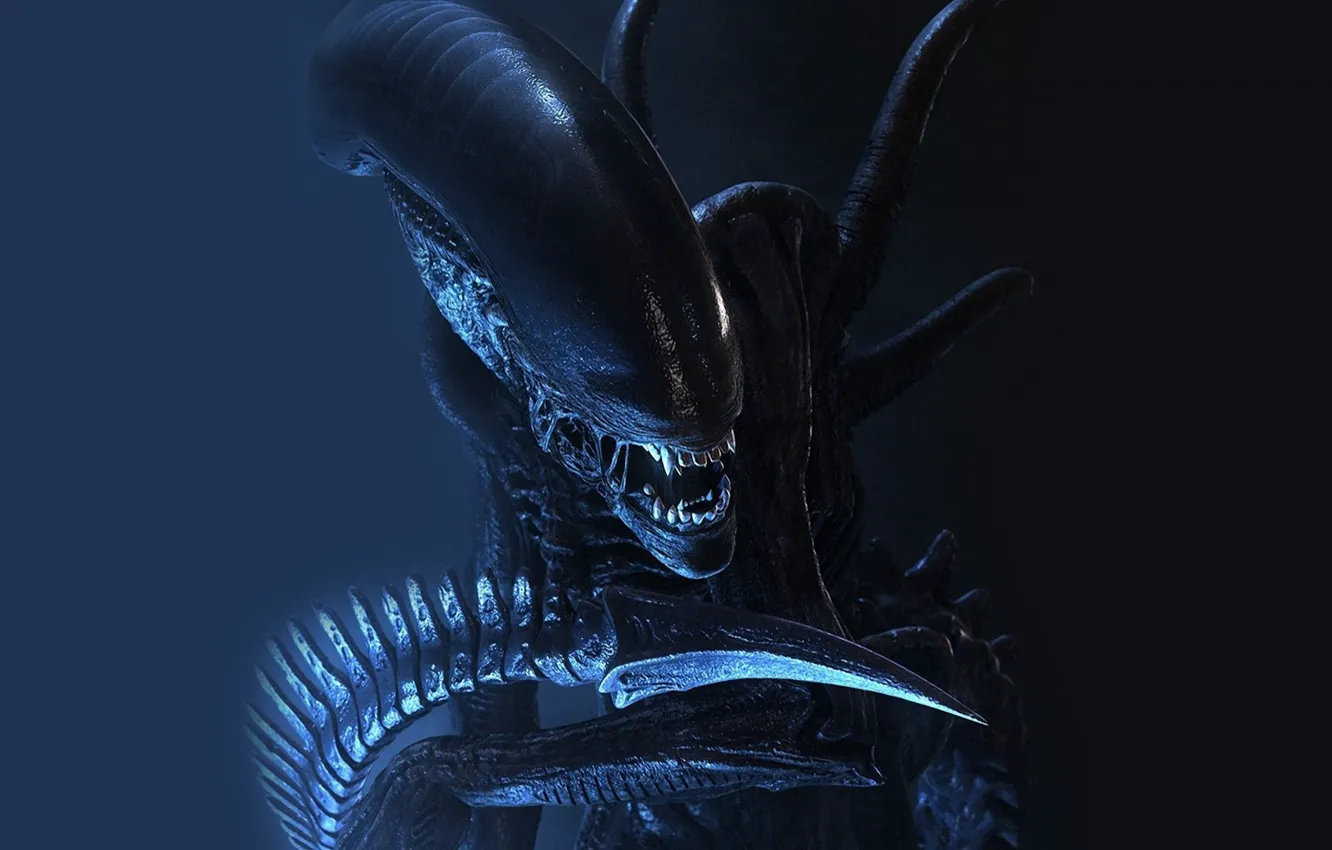
From alien speech and monster roars to fantastical creatures and hybrid beings, non-human vocalizations play a crucial role in games, films, and animated content. These sounds help define character identity, convey emotion, and deepen world-building. But when content goes global, a unique challenge emerges: how do you localize creature audio across languages while keeping it consistent and believable?
Why Creature Vocals Still Need Localization
It’s tempting to assume that monster sounds are universal. After all, a roar is a roar, right? In reality, audiences interpret non-human sounds through cultural filters. The way fear, aggression, humor, or vulnerability is expressed vocally can vary significantly across regions.
In some cultures, higher-pitched creature sounds may read as comedic. In others, low-frequency growls may signal intelligence rather than threat. If creature audio isn’t adapted thoughtfully, it can unintentionally shift tone—turning a terrifying boss into a cartoonish presence in certain markets.
Defining a Core Vocal Identity
The foundation of consistent localization is a core vocal identity. Before recording in any language, audio teams must define what the creature “is” sonically. Is it animalistic or intelligent? Organic or synthetic? Emotional or purely instinctive?
This identity is usually documented through:
- Reference recordings
- Emotional range descriptions
- Pitch and texture guidelines
- Do’s and don’ts for performance
These materials act as a blueprint, ensuring that every localized version reflects the same character—even if the execution differs.
Recording Performances, Not Languages
Localizing creature vocals isn’t about translating words; it’s about recreating intent. Voice performers across regions must focus on emotional delivery, breath control, rhythm, and physicality rather than linguistic accuracy.
For example, a pain reaction may require different timing or intensity depending on regional performance norms. Some markets favor exaggerated expression, while others prefer restrained realism. Directors must guide actors to match the function of the sound—not just its shape.
This often means recording multiple variations of each vocalization to support gameplay triggers, animation timing, or cinematic pacing.
Building Modular Creature Sound Libraries
Consistency across languages depends heavily on how sound libraries are structured. Rather than treating each localized recording as a standalone asset, studios increasingly use modular systems.
Creature libraries are often organized by:
- Emotional state (anger, fear, fatigue)
- Action type (attack, idle, movement)
- Intensity level
- Duration and rhythm
This structure allows audio engines to swap localized versions seamlessly while preserving behavioral logic. A “medium-aggression attack vocal” behaves the same way in every language—it just sounds culturally appropriate.
Blending VO and Sound Design
Non-human vocals rarely rely on raw voice alone. Sound designers frequently layer performances with animal recordings, synthesized textures, or processed effects. Localization teams must decide which elements remain universal and which should change.
Often, the human performance layer is localized, while the designed layers stay consistent. This approach preserves the creature’s signature sound while allowing emotional nuance to adapt regionally.
Clear documentation is essential so local teams know which elements are flexible and which are locked.
QA Beyond Language Accuracy
Quality assurance for creature audio goes beyond checking files for errors. Teams must test how localized vocals feel in context: Do they sync with animation? Do emotional beats land correctly? Do repeated sounds become annoying or unintentionally humorous?
In games, this testing must happen in real gameplay scenarios, not just audio review sessions
Maintaining Immersion Worldwide
Successful localization of non-human vocalizations ensures that players and viewers across regions experience the same emotional impact—even if the sounds themselves differ slightly. When done well, audiences never notice the work behind it- the creature simply feels real.


